For families
Pigs, official names, and two famous stories
This page is written for reading together. The surprising stories are true in the sense that they come from official or news sources; where those sources disagree, the disagreement is left in view.
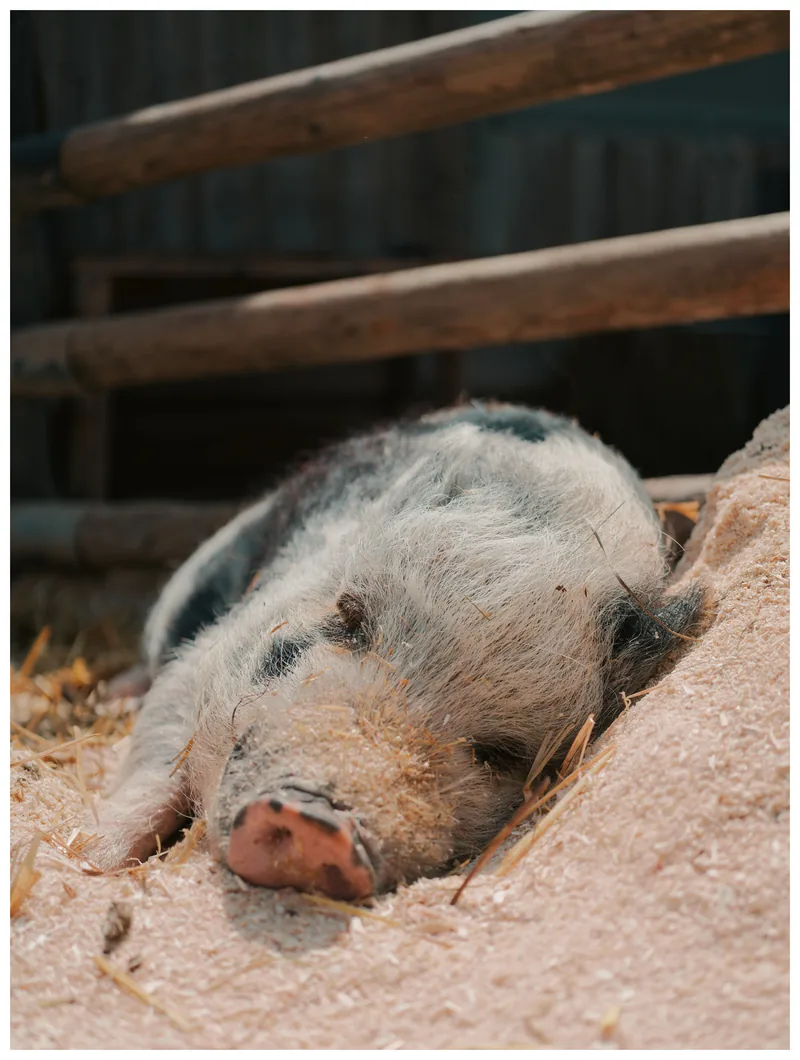
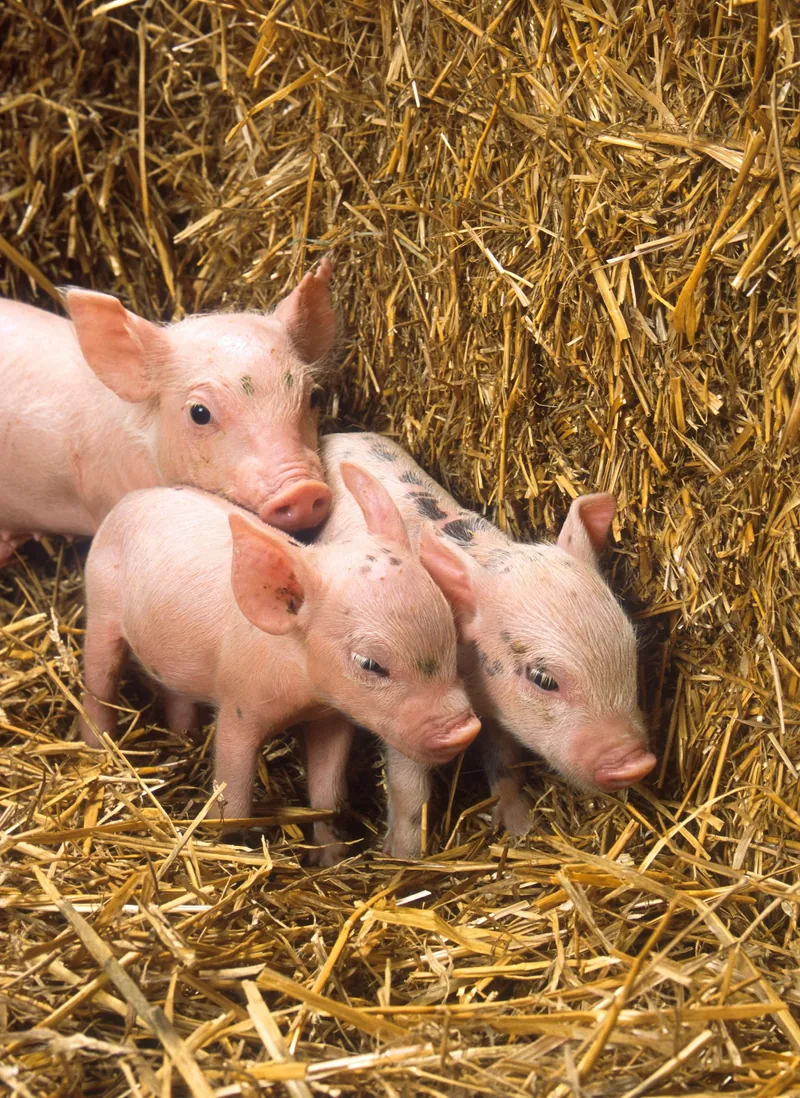
Official pigs have official names
When official statistics in England talk about the “female breeding herd,” they do not mean every pig, and they do not even mean every breeding pig. They mean three named groups: sows in pig, gilts in pig, and other sows. In 2026 those groups added up, in the official table, to 246,374 animals, and the accompanying sentence called that 246 thousand. The same official wording says that herd is 77% of breeding pigs, not all of them. [source]
“Other sows,” the official footnote says, “are those either being suckled or dry sows kept for further breeding.” That is a very precise way of pointing at sows with piglets, and at sows kept to breed again. [source]
A pig and a nearly-war
In 1859, on an island that Britain and the United States both claimed, a man shot a company pig that was in his garden — or, in another official telling, in his potato patch. Soldiers landed. Ships arrived. Nobody from the two nations fired at the other. The official park history still calls the pig the only casualty, and it still does not say who ate it. There is a longer version on the Pig War page. [source] [source] [source]
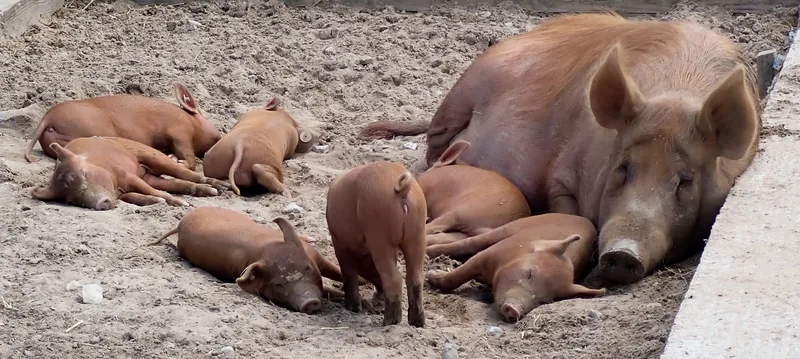
Two Tamworth pigs in 1998
In January 1998, two pigs called Butch and Sundance escaped from an abattoir in Malmesbury in Wiltshire. They were Tamworth pigs, and the newspapers called them the Tamworth Two. One BBC report, later that year, said they swam a river and spent six weeks on the run. Later BBC wording said about a week, or a whole week. This site does not pretend those sentences are the same. The longer story is on the Tamworth Two page. [source] [source] [source]
The Tamworth pig in the photograph with a 2006 date, and the sow and piglets at Heligan, are Tamworth pigs. They are not those two famous pigs.
A quiz, and something to print
There is a quiz with explained answers, and a timeline game. If you would like a page to put on the table, there are three free fact sheets, in A4 and Letter, with words and sources only.
Keep exploring
Enjoyed the sty?
No pop-ups. No intrusive advertising. Just interesting stuff. A little support helps the next farmyard site get built.